How to Stay Motivated While Working From Home in 2026
Working from home sounds amazing: no commute, comfy clothes, and your own setup. But staying motivated is not always easy when your bed, TV, and snacks sit just a few steps away. About 22.6% of U.S. employees worked remotely in early 2026, according to the Bureau of Labor Statistics.
Keeping your energy up takes more than willpower. It takes the right mindset, a solid morning routine, and a few smart habits. This guide covers 10 proven tips and strategies to help you stay motivated while working from home. The short version of everything is:
- Designated workspaces can boost productivity by up to 25%
- Consistent start of day rituals help remote workers improve productivity by 30%
- The link between remote work, burnout, and mental health in 2026
- Goal setting methods that keep motivation levels high on every work day
- How strategic breaks and movement sharpen focus and prevent exhaustion
- Technology tools that create accountability and help you complete tasks faster
- Why work life balance matters more than ever for people working remotely
Why Staying Motivated Remotely Is Challenging
Working remotely has quickly become the new normal. Gallup research from 2025 shows 52% of remote capable U.S. employees follow a hybrid schedule, while 27% are fully home based. Without the structure of a traditional office space, it is easy for work life and home life to blur.
A 2026 CoworkingCafe survey of over 1,100 remote U.S. workers found that 33% experienced burnout symptoms in the past year. The office provided structure and a daily schedule that home workers now have to establish on their own.
Strategy #1: Create a Dedicated Workspace
When home and work mix too much, it is hard to concentrate. A designated workspace helps your brain know it is "work time." Research shows that spaces designed for focus can increase output by 25%.
Your home office space does not need to be a full room. Pick a spot just for your job and keep it separate from where you relax. Avoid the kitchen table, the couch, or your bed. Decluttering your workspace leads to improved mental clarity and better productivity.
- Choose one area in your house only for work, no matter how small
- Invest in a comfortable chair, sturdy desk, and good lighting
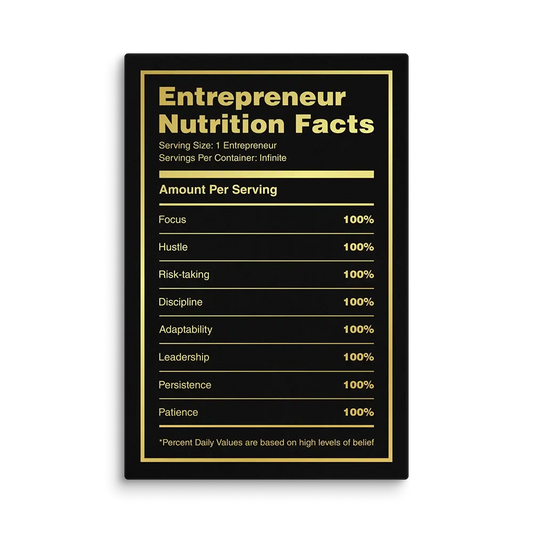
- Add items like weekly goals or motivational wall art to your home office
- Keep household clutter away from your home space during the day
- Skip slip ups like working from the couch or letting junk pile up
Having the right motifs around you can drastically improve your productivity. Need some recommendations? Hang a motivational art piece on the wall above your work desk.

Strategy #2: Build a Consistent Routine
Without the office schedule, it is easy to put things off and end up with wonky working hours. Creating a morning routine can help set the tone for a productive day.
A Harvard Business Review study found that people who follow a consistent daily schedule are 30% more productive. Your home office benefits from the same kind of structure that a traditional office provides.
- Stick to the same wake up time and start at a consistent hour every day
- Block out specific working hours and a lunch slot on your calendar
- Build a short ritual like a walk, coffee, or meditation to ease into the day ahead
- End each day with a wind down step, like writing a plan for tomorrow
Strategy #3: Dress for Success Even at Home
Lounge clothes can make your brain think "relax mode." Putting on work clothes tricks your mind into feeling ready. Research on "enclothed cognition" shows that clothing affects how people think and perform throughout the day.
- Aim for comfy but neat outfits that feel different from your chill stuff
- Make getting dressed part of your morning routine to mark the transition into your work day
- Try wearing shoes at your desk to help you feel alert and sharp
Strategy #4: Set Clear Daily Goals and Priorities
No boss watching means it is fuzzy what to aim for. Setting clear daily goals helps maintain focus and structure. Write down your priorities to improve your ability to complete tasks and take control of your work environment.
Challenge yourself to see how many words you can write or how many project milestones you can hit in a set time. Focused effort turns vague intentions into results.
- Write three priority items each morning before you open email
- Use the Eisenhower Matrix to sort what is urgent or important
- Do a quick weekly review of your bigger project goals
- Grab apps like Trello or Todoist to organize tasks and track progress
Strategy #5: Combat Isolation with Communication
Feeling cut off from your team can zap motivation and make teamwork harder. More than half of remote employees say staying connected in a virtual setting feels difficult.
- Set up casual check ins with coworkers beyond project updates
- Use voice memos to communicate, which feel warmer than typed messages
- Start easy video chats like virtual coffee breaks with friends and colleagues
- Join fun online groups in your job world to stay connected
Strategy #6: Master Breaks and Movement Throughout the Day
Sitting all day builds up tiredness in your body and brain. The Pomodoro Technique, where you work 25 minutes and then take a short break for 5, helps sustain focus. Physical activity boosts energy levels and improves overall well being.
- Try the Pomodoro method for structured work and rest cycles
- Take a short walk on your lunch break for fresh air and a reset
- Sneak in stretches or quick workouts during your shift
- A workout before or after the day can work wonders for your mood
Strategy #7: Minimize Distractions in Your Work Environment
Household chores and distractions can easily steal your focus. Home working is uniquely challenging because temptation is everywhere. Set ground rules for your space during the work day to protect focus time.
- Block distracting sites during focus time using website blockers and enable "Do Not Disturb" mode
- Tell family or roommates your schedule and set clear boundaries
- Wrap up work calls at a set time each day to signal the finish line
- Jot down random thoughts on a "later list" and limit social media use
Strategy #8: Leverage Technology for Accountability
No one checking in means it is easy to slack without noticing. Creating an accountability system keeps you on track while working from home. Productivity tracking tools give you real feedback on tasks and how you spend each work day.
- Track your time with Toggl or RescueTime to spot patterns
- Use technology platforms to search for your next job or virtual assistant role
- Share weekly updates with a friend who keeps you honest
Strategy #9: Celebrate Wins and Track Progress
Less pats on the back means your hard work feels unseen, killing your drive. Rewarding yourself after completing tasks boosts morale and motivation. Personally, tracking tasks and progress with a simple chart gives you a real sense of accomplishment.
- Review your week each Friday to spot and celebrate your biggest wins
- Set up small rewards for hitting targets, like a favorite snack or free time
- Keep a "done" list next to your to do list so finished items stay visible
Strategy #10: Maintain Balance to Prevent Burnout
Burnout costs businesses an estimated $322 billion annually. Gallup data from 2025 shows fully remote workers report higher stress (45%) compared to on site workers (38%). The boundary between work life and home life disappears when your office is also your living room.
An evening wind down at night creates a clear end to your day. This separation ensures you get enough sleep, supporting your overall well being.
- Lock in your working hours and stop when the clock hits your end time
- Create a shutdown ritual, like closing your laptop and tidying your desk
- Take a short walk around the block to "head home" after your last hour
- Monitor your motivation levels weekly and adjust when burnout signs appear
| Burnout Signal | What It Looks Like | Quick Fix |
|---|---|---|
| Emotional exhaustion | Dreading every morning | Add a 15 minute buffer before logging in |
| Detachment | Disconnected from your team | Schedule a casual video call |
| Low drive | Procrastinating on tasks | Break items into 15 minute chunks |
| Boundary blur | Checking email at night | Set a hard stop and turn off notifications |
Managing Stress and Mental Health While Working Remotely
Working from home can offer flexibility, but it can also lead to stress if you are not careful. A 2025 Gallup report found fully remote workers are less likely to be thriving overall (36%) compared to hybrid workers (42%). Self care practices like exercise and healthy meals help you stay productive.
Taking a short walk outside for fresh air during your lunch break can sharpen your thinking. Scheduling video calls with friends helps combat isolation. Personally, I find these small habits improve motivation and productivity over time.
- Set ground rules for your work environment, like no email after 7 PM
- Plan regular breaks every 60 to 90 minutes to recharge
- Speak to a counselor or therapist if burnout symptoms persist
Build Your WFH Motivation System
Putting these tips into action will help you stay motivated while working remotely. Check what trips you up most to stop procrastinating. Consider collaborating on a project with colleagues to keep motivation high.
Creating a faux commute, like a walk before and after your shift, helps you transition between work mode and relaxation. Adjusting your strategies regularly helps you find the most effective ways to stay productive in a remote environment.
- Weeks 1 and 2: Set up your workspace and build your routine
- Weeks 3 and 4: Begin setting daily goals and schedule communication
- Ongoing: Add accountability tools, track progress, and refine what works
FAQs On Work From Home Motivation
How will I keep myself motivated while working from home?
Build a system that combines a designated workspace, consistent rituals, and clear daily goals. Write down your top three items each morning and take regular breaks.
Why am I not motivated to work at home?
Lack of structure, isolation, and blurred boundaries between professional and home life cause most problems. Creating a dedicated workspace and establishing a daily schedule can help you stay productive again.
How to not procrastinate when working from home?
Procrastination often comes from vague goals and too many distractions. Set specific tasks each morning, use the Pomodoro Technique, and block distracting websites. Personally, challenging myself to see how many items I can finish beats procrastination fast.
How to stay focused when you're working from home?
Create a home space that is separate from where you relax. Never work from bed or the couch. Minimize distractions using website blockers, noise cancelling headphones, and "Do Not Disturb" mode.
How often should I take breaks while working from home?
Most experts recommend a short break every 60 to 90 minutes, or every 25 minutes with the Pomodoro Technique. Stepping outside during lunch makes a noticeable difference.
What is the best morning routine for remote workers?
The best approach includes waking at a consistent time, moving your body with a walk or workout, and reviewing your goals. Avoid checking email first thing. Give yourself a 30 to 60 minute buffer before you begin.
The Bottom Line: Staying Motivated While Working From Home
Productivity while working remotely is a skill you build with time and smart habits. We've all been there, staring at blank screens and switching between tabs. The trick is to start improving, even if its 1% or 0.001% per day.
Integrate self care practices like exercise and healthy meals to maintain morale. Start by trying two or three tips that feel doable right now. The easiest thing you can do is set up motifs and we can help with that through our motivational wall art.